This story sums up my experiences in Incredible India even though I wrote it over a year ago. The message is to stop your busy day, and just take five ( for me, take five minutes). It’s a wonderful world.
 “Have you heard about the three things you must have to drive safely in India?” Our driver chuckles. “Good brakes. Good horn.”
“And the third?” I ask.
“Good luck.”
I quickly decide to save myself from the terror of driving in India by looking only out side windows and only when necessary. The car brakes and swerves around elephants and camels with wide loads of wood and rebar strapped on their backs. We honk at India’s holy cows lying not-quite-on the median of the new four-lane highway, but in the shade of beautiful bougainvillea landscaping. Through the Aravalli Mountains, we twist and blast our way around blind corners. I note that Hindu temples are strategically situated and they prompt me to squeeze my eyes shut and ask the powers that be for a long life.
In due course, we swing south off the highway and careen along a gravel road surrounded by forest reserve owned by the Maharaja of Dungarpur. Twenty minutes later we veer off through a gap in the trees and come to a dusty stop in front of the royal residence that will also be our hotel for a few days. Our driver phoned a few minutes ago and the Maharaja’s nephew is waiting for us. After a few quick namaste’s and welcomes, his assistant, the hotel manager, leads us toward our room.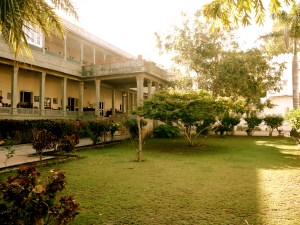
“This is the office,” he says, as we pass beneath the stuffed heads of four of tigers, six wild boars, several deer and one sloth bear.  “We have wireless in this room and at the pool,” he adds.
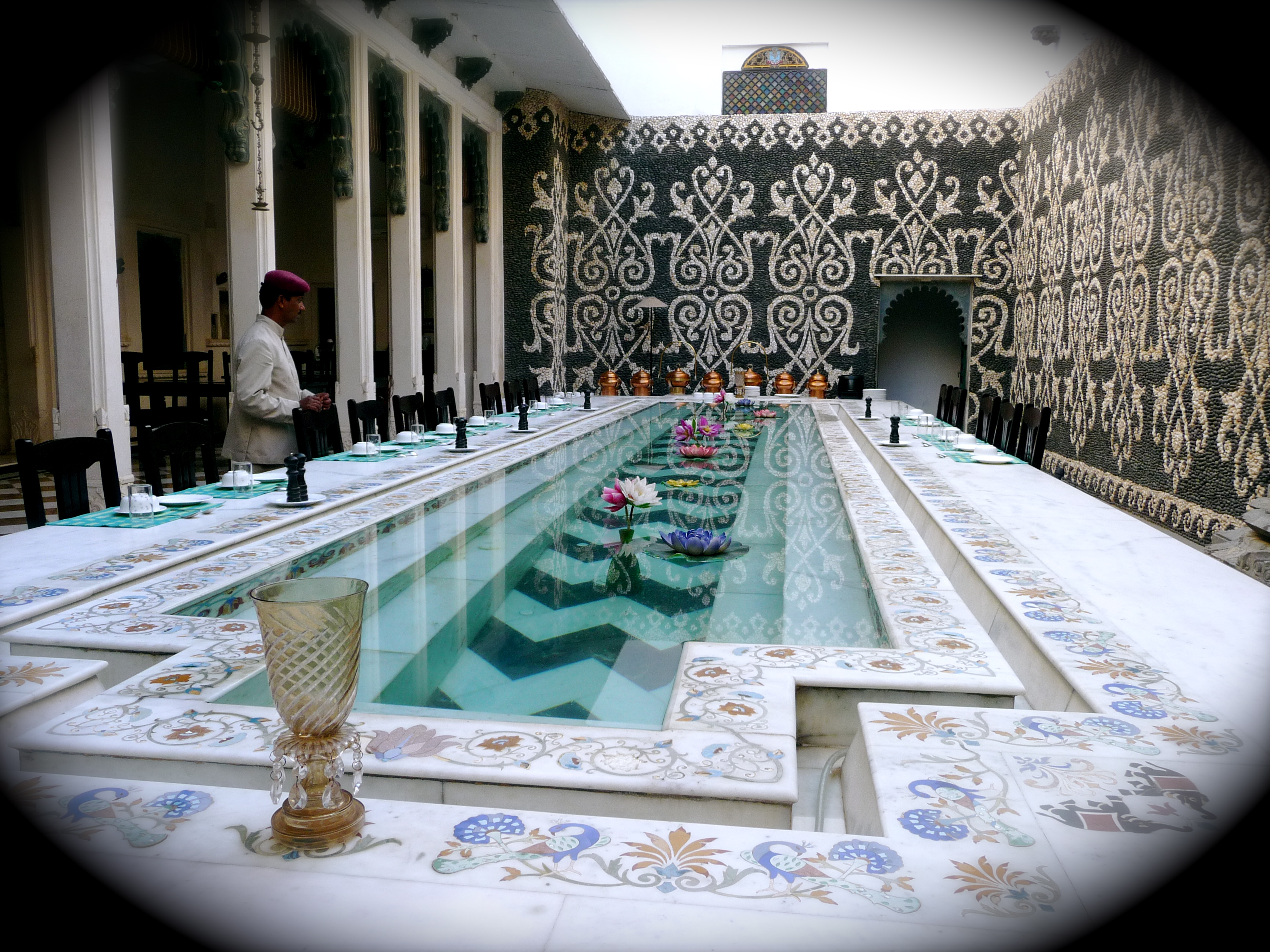
We walk into the adjacent palace courtyard and around an exquisitely carved temple surrounded by water, to one more interior courtyard. In the middle is an enormous white marble dining table set for thirty people. Carved into the centre of the table is a long rectangular pool filled with lotus flowers and goldfish. “This is where you will eat breakfast and dinner,” the manager tells us.
There are surprises everywhere, giving me that being surreal-world feeling again. 
The Maharaja shot ninety-nine tigers in his day and they are all here, almost hidden, their heads staked high on the walls. The family now pride themselves on being conservationists. A team of young museum curators are in the ballroom with ancient royal clothing organised on the floor ready to catalogue for a family museum. At the door there is a fleet of mountain bikes ready for guests to ride around the estate’s vast nature reserve. The tigers are gone but I’ve been told there are a few deer, fox, and wild boar bounding about.
A curtained archway behind an immense locked wooden door leads into a gigantic room. Ours. For us, filled with an eclectic assortment of memorabilia from the sixties, it has the stamp of home. A low arch leads to a marble balcony overlooking Lake Galbsagar and its finely crafted temple island.
This is my place. My armchair is waiting.
Lake Galbsagar is a mirror; the sound of swarming water birds – herons, storks, cranes, egrets, ducks – fills the still late afternoon air.  My Maharaja, Ross, scouts out his battered blue metal water bottle and pours for us. India’s favourite Scotch Whiskey. Black Dog.
Am I in heaven?
“Yoohoo. Hello there. Be sure to come for before-dinner-cocktails with us at 7 o’clock,” Maharaja’s niece-in-law calls up to us as she walks along the lakeside path below and waves.
The royal family’s friendliness is infectious and we are eager to join them. Sober or not.
Later, with difficulty we work our way through the dark, back under the stuffed heads, the dim eco lamps, and down the stairs to the big dining room.
Candles fill the courtyard but no one is here.
“Hello. Where is everybody?”
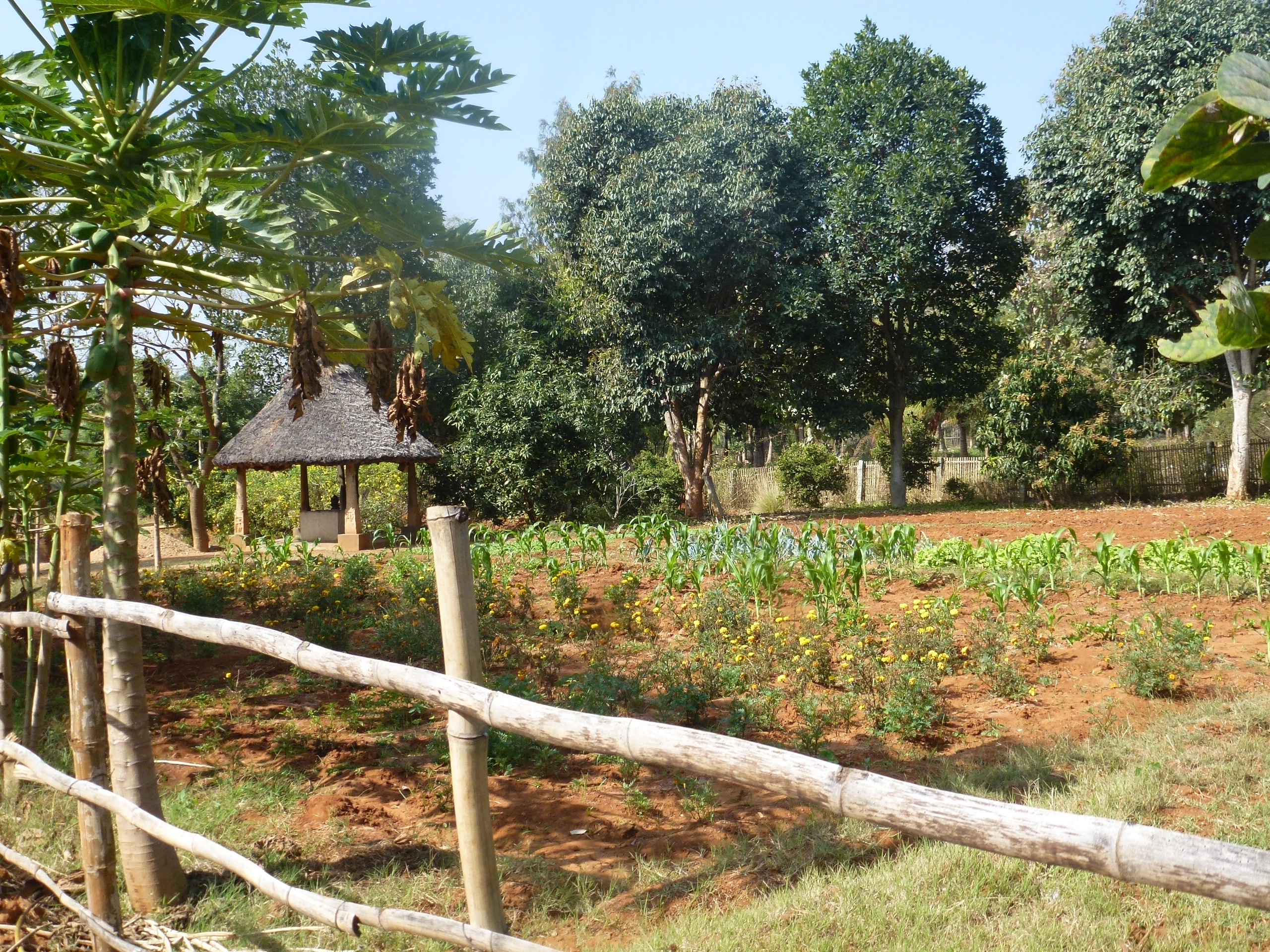
A young man with a tall white chef’s hat peers around a partition at the back. “No. No. It’s not here. Follow.” He leads us through a giant doorway into a damp muddy field. The night is black even though the stars are out and the moon is full behind the trees. Something alive scuttles across in front of me. I stifle a scream; it’s a chicken. I scramble through what appears to be a vegetable garden with my fancy new, but cruelly uncomfortable sandals. I struggle to keep my culturally appropriate Rajasthan Bandhani, a colourful tie-dye sarong, wrapped around me as I trudge through the “we water at night,” save-the-environment mud.
In the distance I see a dim light shining from another one of those low-watt eco bulbs hanging on the end wall of a long shed which Ross says is the old stable.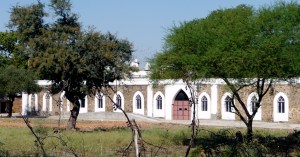 I’m still struggling to keep my clothes wrapped while choking back laughter at the ridiculous situation I find myself in. Why didn’t I wear jeans?
“Hey. Stop a minute.” Ross croaks in a hushed tone. “What’s that I hear?”
The noise, it sounds like snare drums, intensifies as we get closer to the shed.
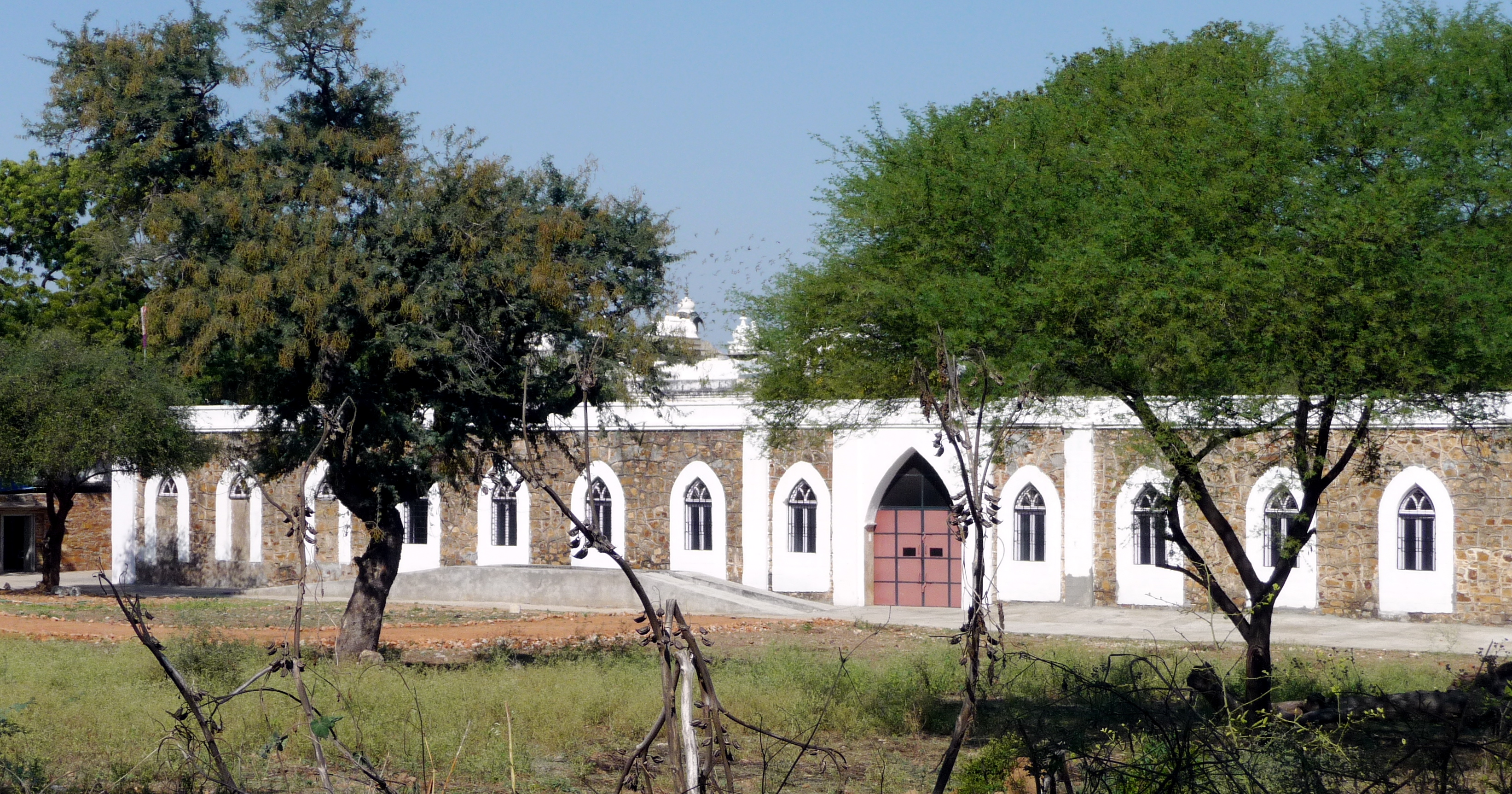
The door opens. Louis Armstrong’s gravely voice resonates through the old stable, “It’s A Wonderful World.” The Maharaja’s family is beaming with delight. I recognize the manager, even though he’s wearing a tux now.
Where are we? I’m confused. Then I realize this is a surprise the Maharaja has for us. It is his new museum and it is filled with his old, shiny, like-new antique cars, elegantly spot lit.
The family walks with us between rows of vintage cars and at the end we enter a glass room and sit at a sixties style bar.
Surreptitiously, our favourite jazz pulsates through the old stable. The crack of snare drums, the tingle of cymbals vibrating, the soft rhythmic strike of piano and the silk smooth saxophone playing the melody in “Take Five” brings a flood of memories.
Start a little conversation now.
Just take five.
Stop your busy day and come out to see that I’m alive.
Just take five.
This music we listened to often in 1965, as we dreamed of travel, was composed by Paul Desmond a few years earlier while he was touring with the Dave Brubeck jazz quartet along segments of the Silk Road in Turkey, India, Pakistan and Afghanistan. “Take Five” was inspired by the melody nomads played one day while walking by the open door flap of his tent. After the group finished their tour, Dave Brubeck and his wife wrote lyrics for the music.
“Why do you go? Why do you go back?” people ask me.
Because I can’t close my story.
I say.
Just stop your busy day and take five.
It’s a wonderful world.
Next Post: Where Travel Musings has taken me. What’s next?

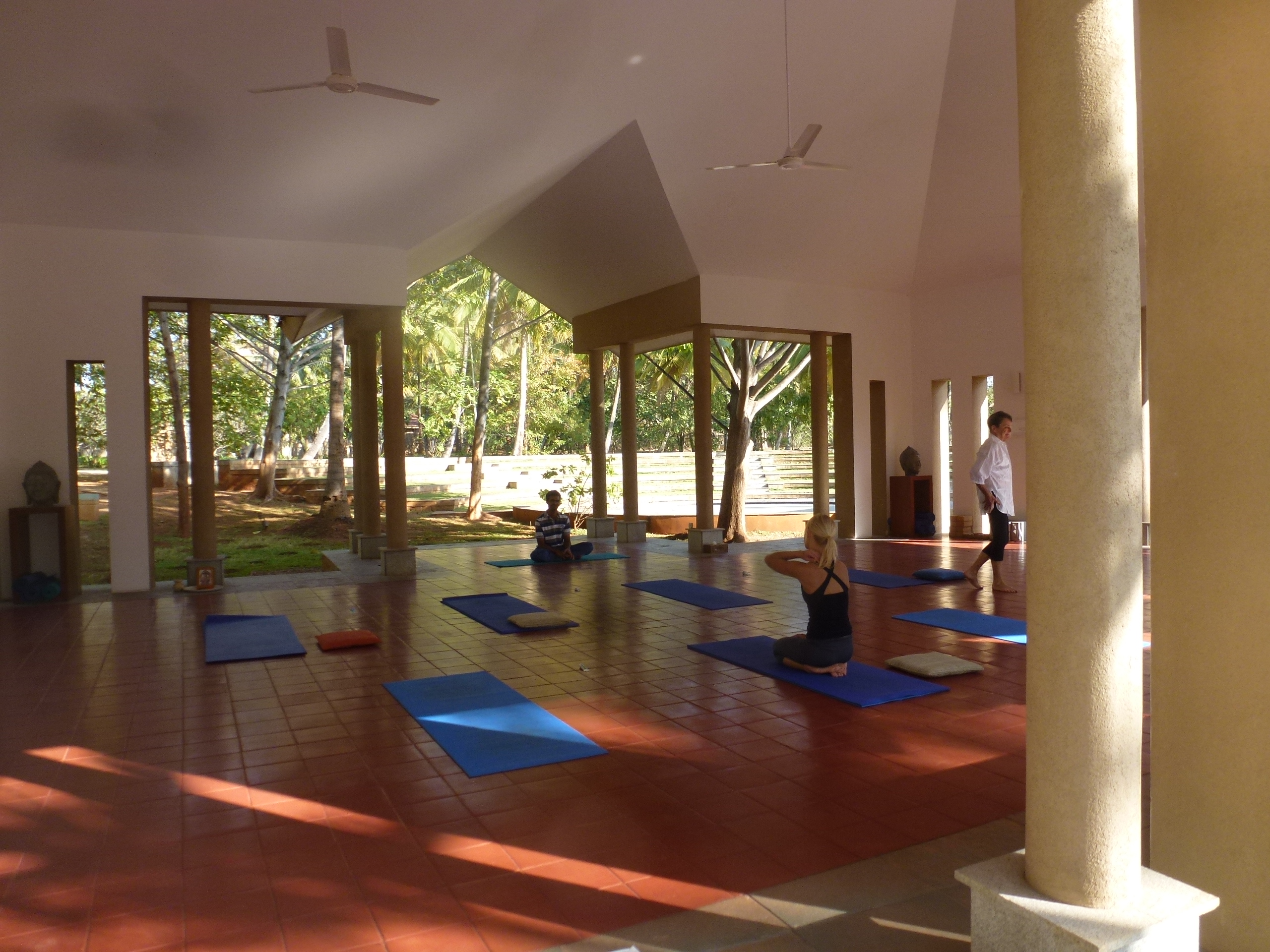 “This is your wakeup call Ma’am. It is six o’clock. Have a nice day,” the quiet voice on the phone tells me. With a quick hot shower and a cup of tea in the still, dark, morning our day begins. Sunlight is beginning to break its way through the tall trees surrounding our cabin in the woods as we walk a couple hundred feet along a rock path that leads to a large open pavilion. A few yoga mats are laid out. One is for me. A small candle with a ring of marigold and rose petals around it burns in the corner.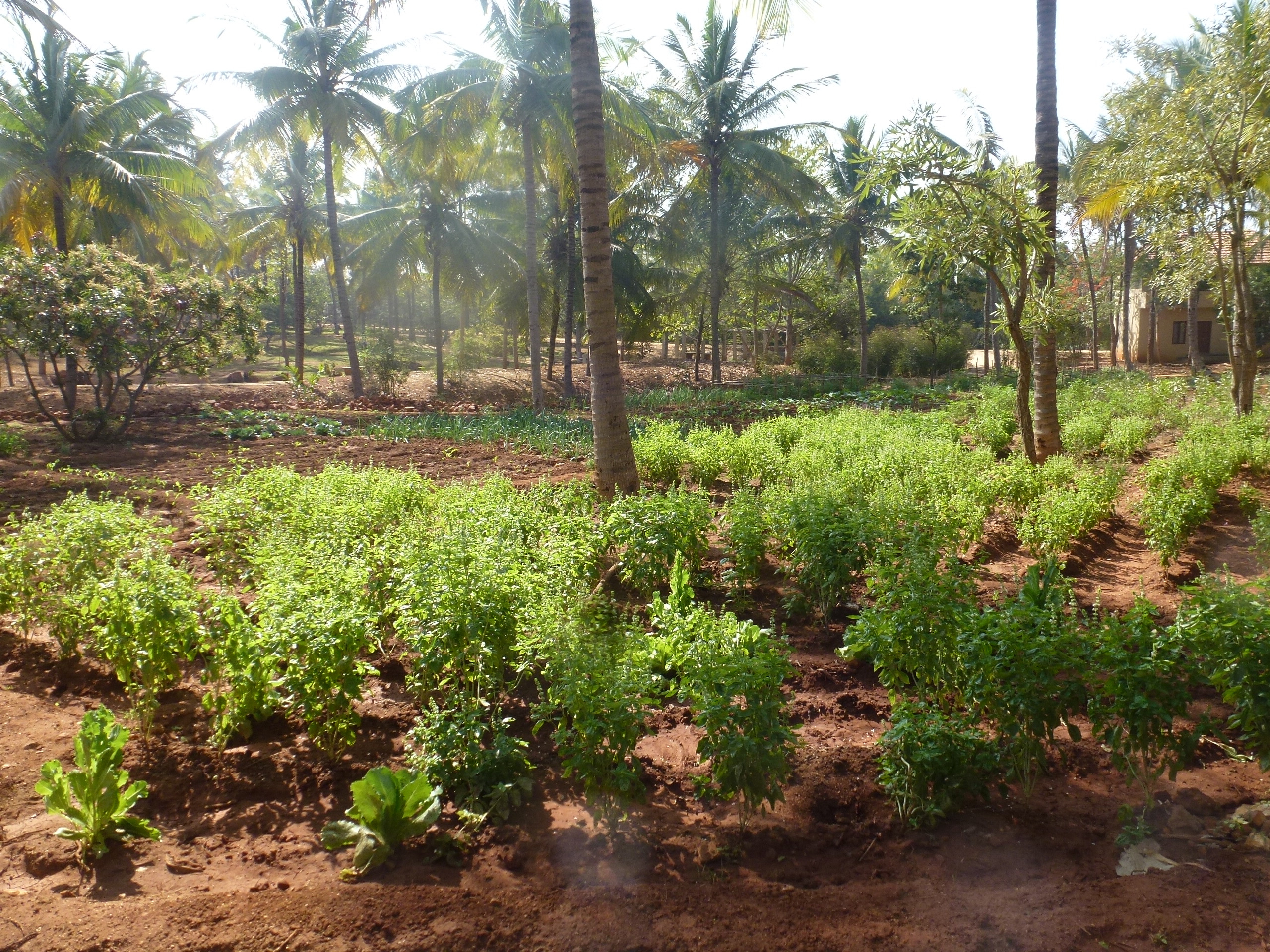








 Travel Musings