 It’s a perfect day for exploring the St. Lawrence. We woke up to robins singing, the perfume of spring and sun streaming in through great windows, set in three foot thick, grey-limestone walls. The sky is brilliant blue and cloudless.
What’s happening outside our room on Rue de la Commune in the port of Montreal?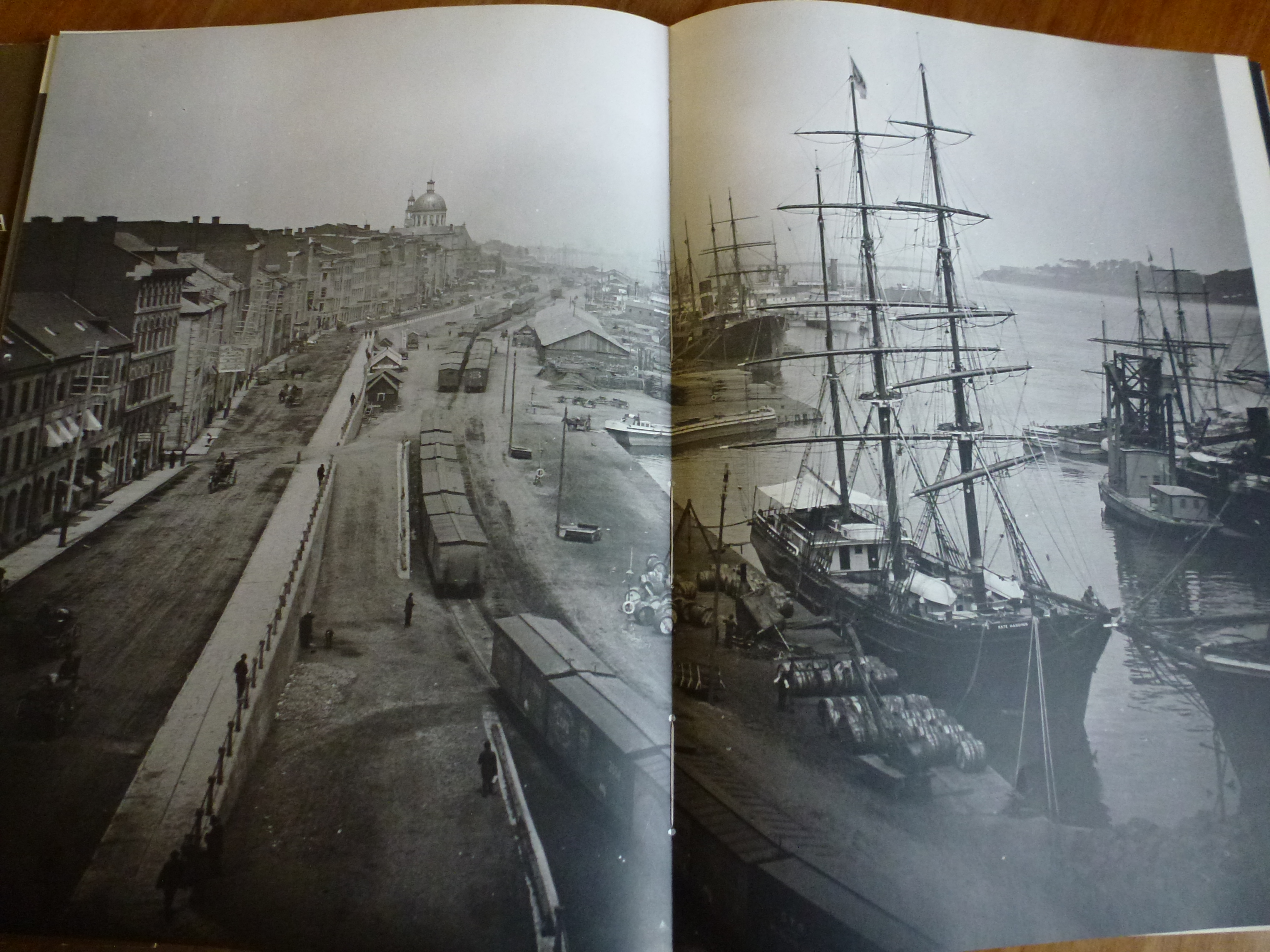 Are the tall ships anchored? Are the voyageurs, the travelling fur traders, leaving in their canoes today to run the treacherous rapids further up river? They’re a raucous bunch and love to have fun. They boast about their strength and bravery with words and song. I wish I could go with them.
When the first European Jacques Cartier arrived in 1535, he was trying to find a route to the Western Sea that would take him to China and India. He couldn’t get beyond the rapids. Later, the story goes, in mockery of some who were still trying to find the route to China, they called the village at the west end of Montreal Island Lachine.
After a hundred and thirty years of squabbling about the rapids, finally, in 1825, a 14.5 km long canal, the Lachine, from the port of Montreal to Lac St Louis opened. It transformed Montreal, opening the river to navigation, providing hydropower and opportunities for establishing new industries and communities. For more than 150 years it served this purpose, then it was retired when the Beauharnois Seaway was opened.
Now the Lachine Canal is used for pleasure.

A path alongside it is an exciting link on the Trans Canada Trail, the world’s longest network of trails that will one day stretch more than 20,000 kilometres across Canada from the Atlantic to the Pacific and Arctic Oceans. 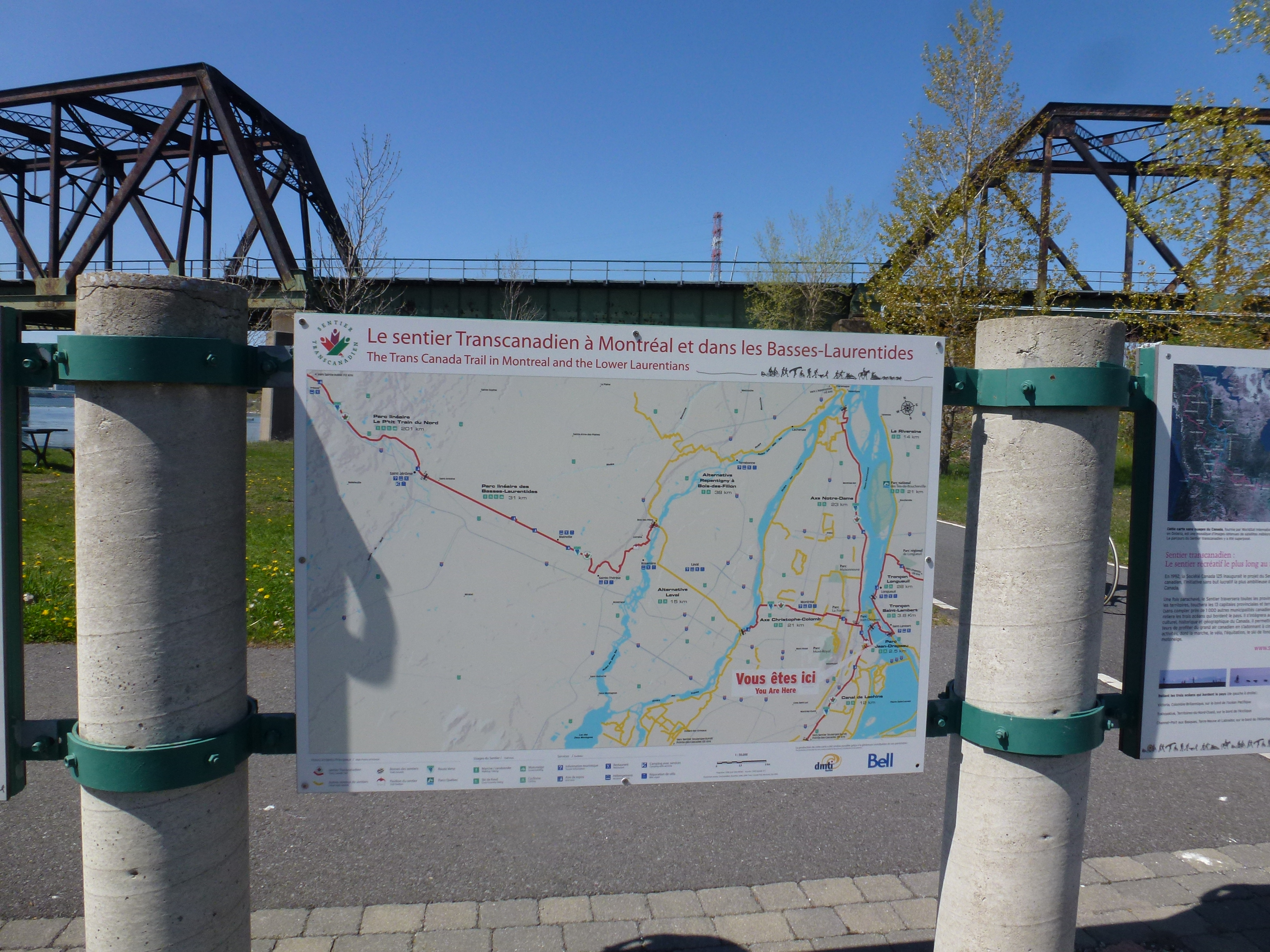 Please see http://tctrail.ca/explore-the-trail/ for more detail and links.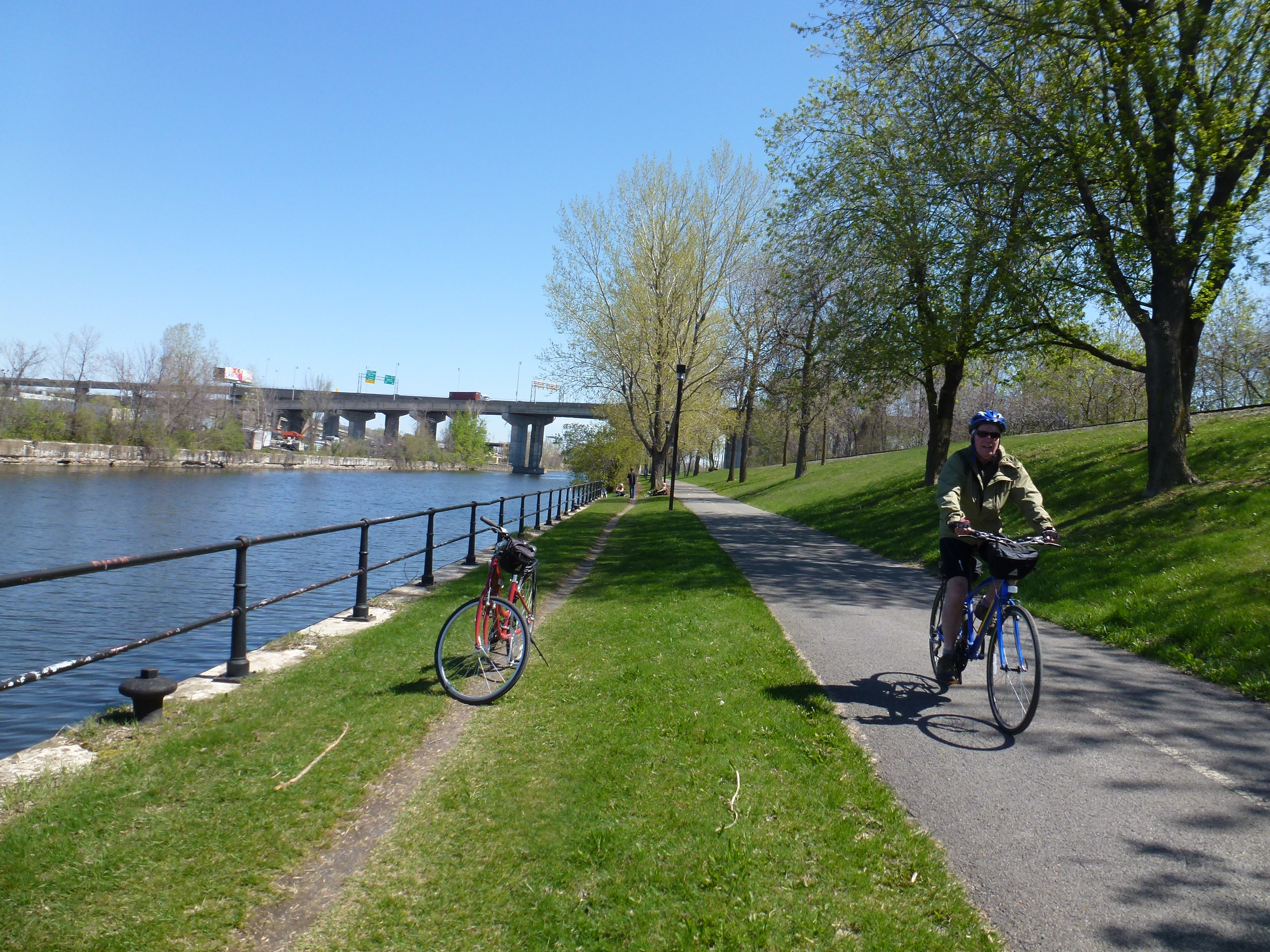
Today I’m going to be an explorer and live the history. Ross and I will cycle a portion of the Trans Canada Trail from old Montreal to Lac St Louis, at the confluence of the Ottawa and St. Lawrence Rivers. Then we’ll explore another route returning through the Montreal Islands.
We rent good bikes for the day at a shop near the hotel, cross the street to the canal and our adventure begins.
Cycling the path past factories with big signs and Canadian household names, like Redpath Sugar, transports us to the neighbourhood of Pointe Saint Charles and the steeples of Saint Gabriel and Eglises Saint Charles. 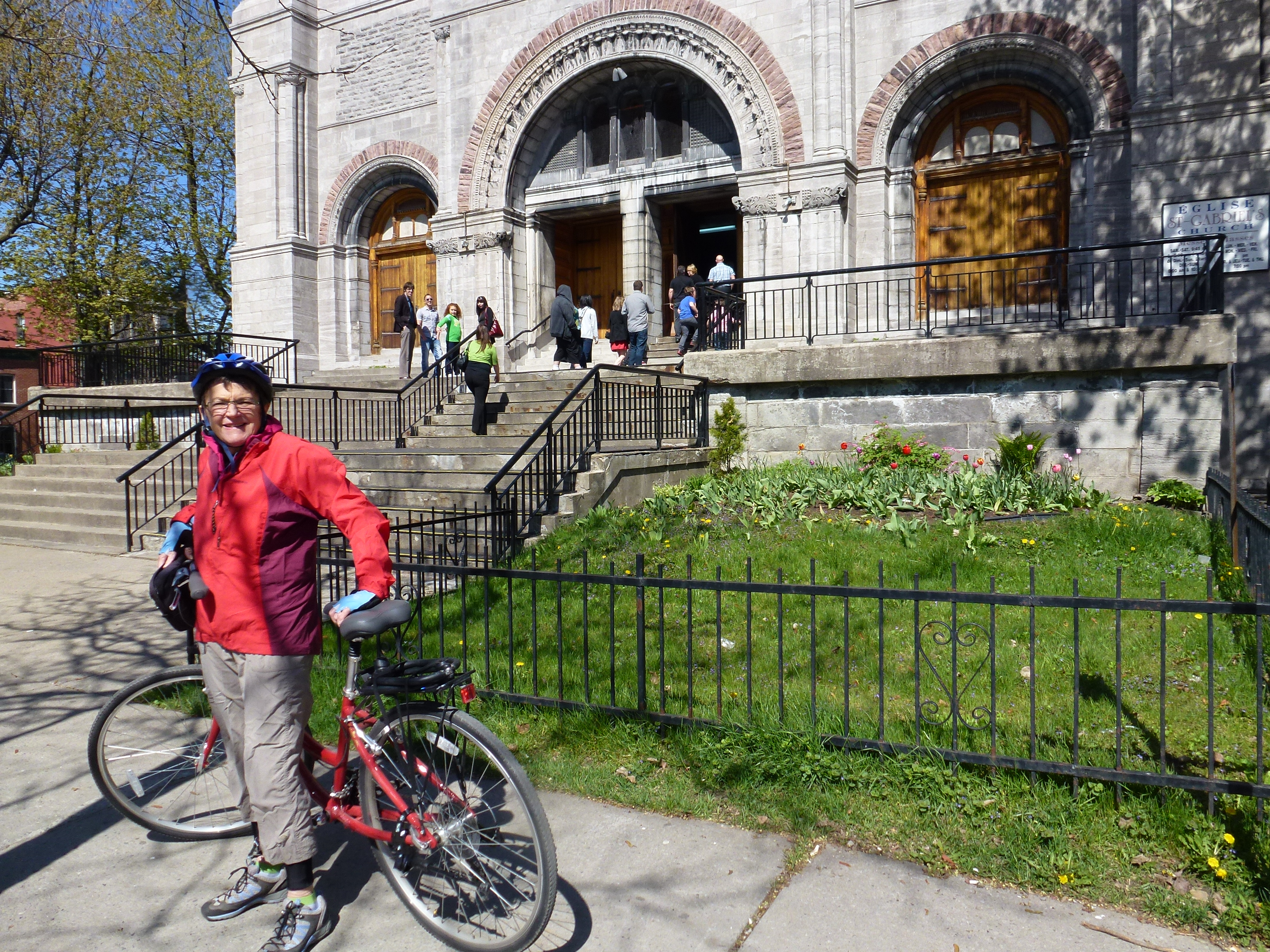 The communities along the canal provided housing for the factory workers. The welcoming sound of church bells peeling and scores of families walking toward them in special Sunday clothes lure us off trail to stop and immerse ourselves in their community spirit.
Next is Atwater Market in the district of Saint Henri.  Oscar Peterson, the much-loved Canadian Jazz pianist, grew up here. It’s a good place to stop for fuel – crusty, locally made baguettes, fresh fruit tarts, and tempting Quebec cheeses.
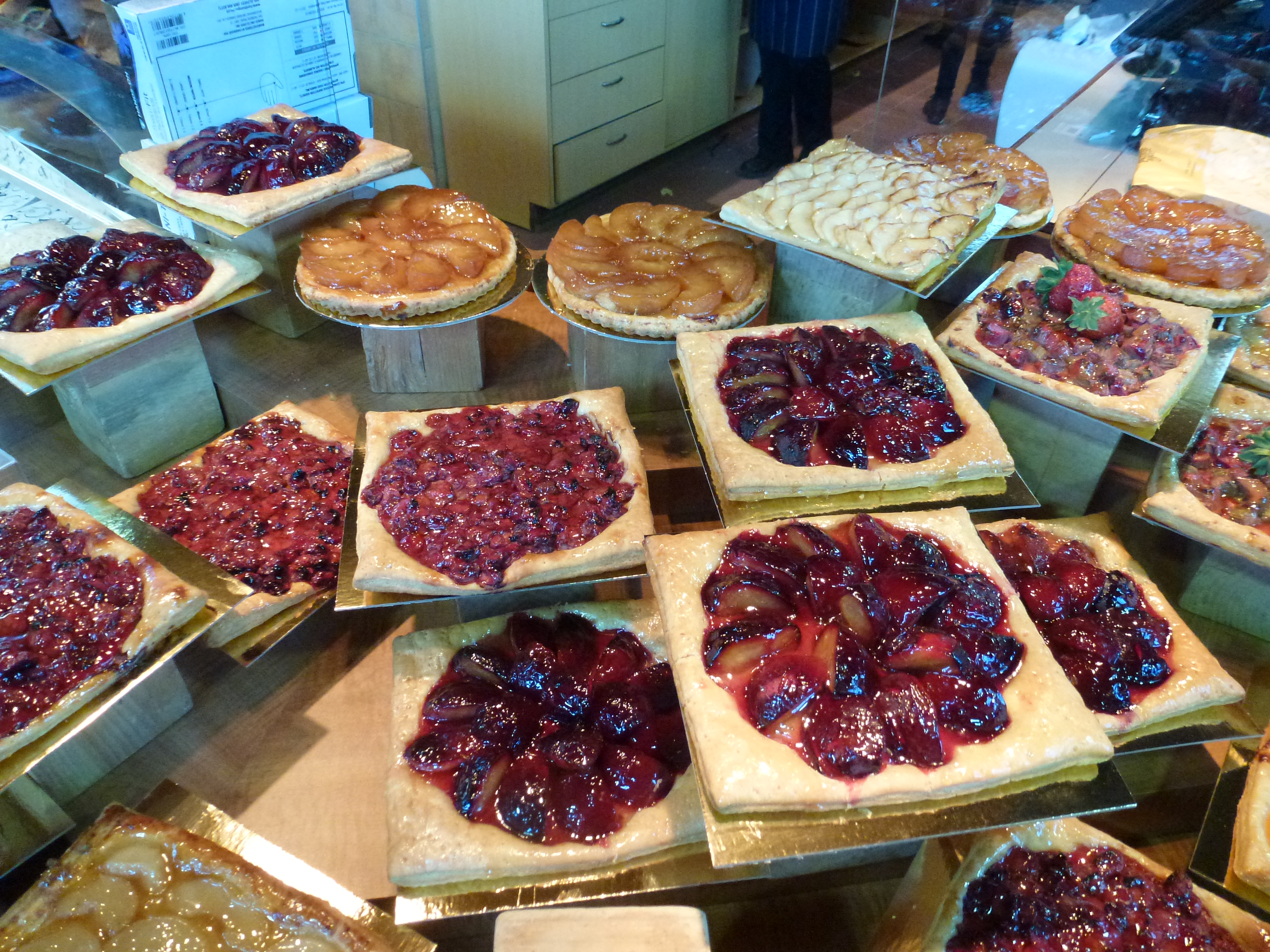
The path along the canal is paved and flat. This Sunday morning there are hundreds of cyclists, people on roller blades, some running, some strolling and many sitting on park benches alongside the trail taking in the action
In a couple of hours we reach the end of the canal, Lac Saint Louis, and take a moment to stop and breathe history.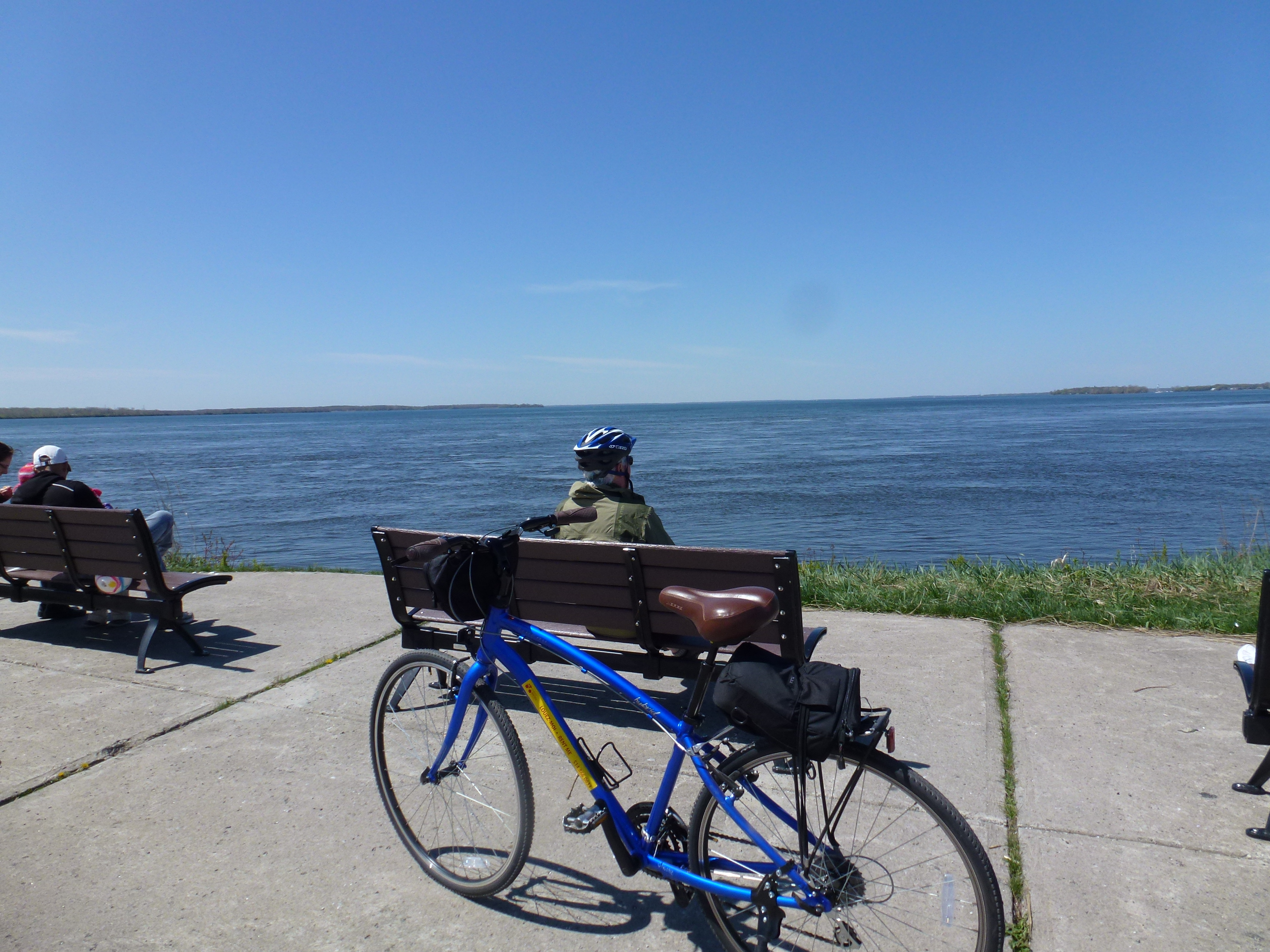
After short loop around the end of Montreal Island we head back along the north shore of the St Lawrence and past a two hundred year-old stone Fleming Mill at the side of the trail.  Parc des Rapides, long and narrow, filled with Sunday sunbathers and soccer players of all ages, flanks the Lachine rapids where adventurous kayakers are testing their skills in the turbulent waters. Their flashy, state of the art neoprene wet suits, have come a long way from the wool leather and fur the voyageurs wore, but the rapids are the same. Beautiful and treacherous.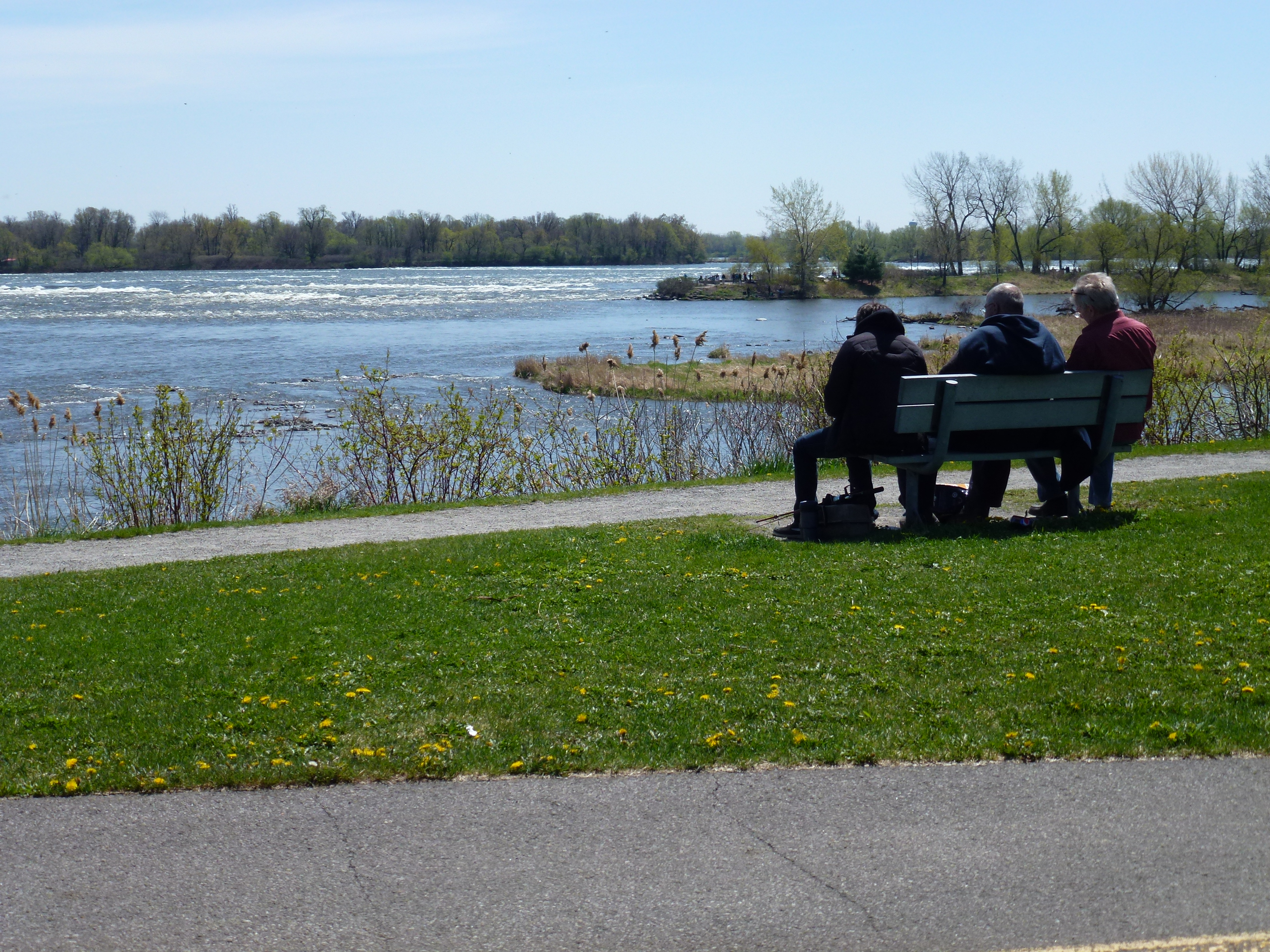
I’ve been worried about the part of the trail beyond the rapids. They call it “the ice bridge” and I need to cross it to the middle of the river where it meets with the Montreal Islands. Can I do it? My imagination goes wild and leaps to waters of the icy St. Lawrence. On a bicycle. If the voyageurs can take the icy rapids so can I. I must be brave. And adventurous.
But. No worries. The bridge is a fascinating type of icebreaker about twenty meters wide, with a paved path on it for non-motorized vehicles. Remember the old photos in Notman’s “Portrait of Canada” and the ice that filled the river and caused havoc every winter? It’s a good place to rest and think about the genius of people before us.
The trail through the islands is a long narrow country lane. As I cycle under the famous Montreal bridges the sounds of the river on each side block the traffic above. Do I need to tell you how awesome my experience is?
The eerie skeleton of Buckminster Fuller’s American pavilion for Expo ’67 dominates the forested view ahead and eventually the trail widens into Park Jean Drapeau on Saint Helen’s Island and Ile Notre Dame. 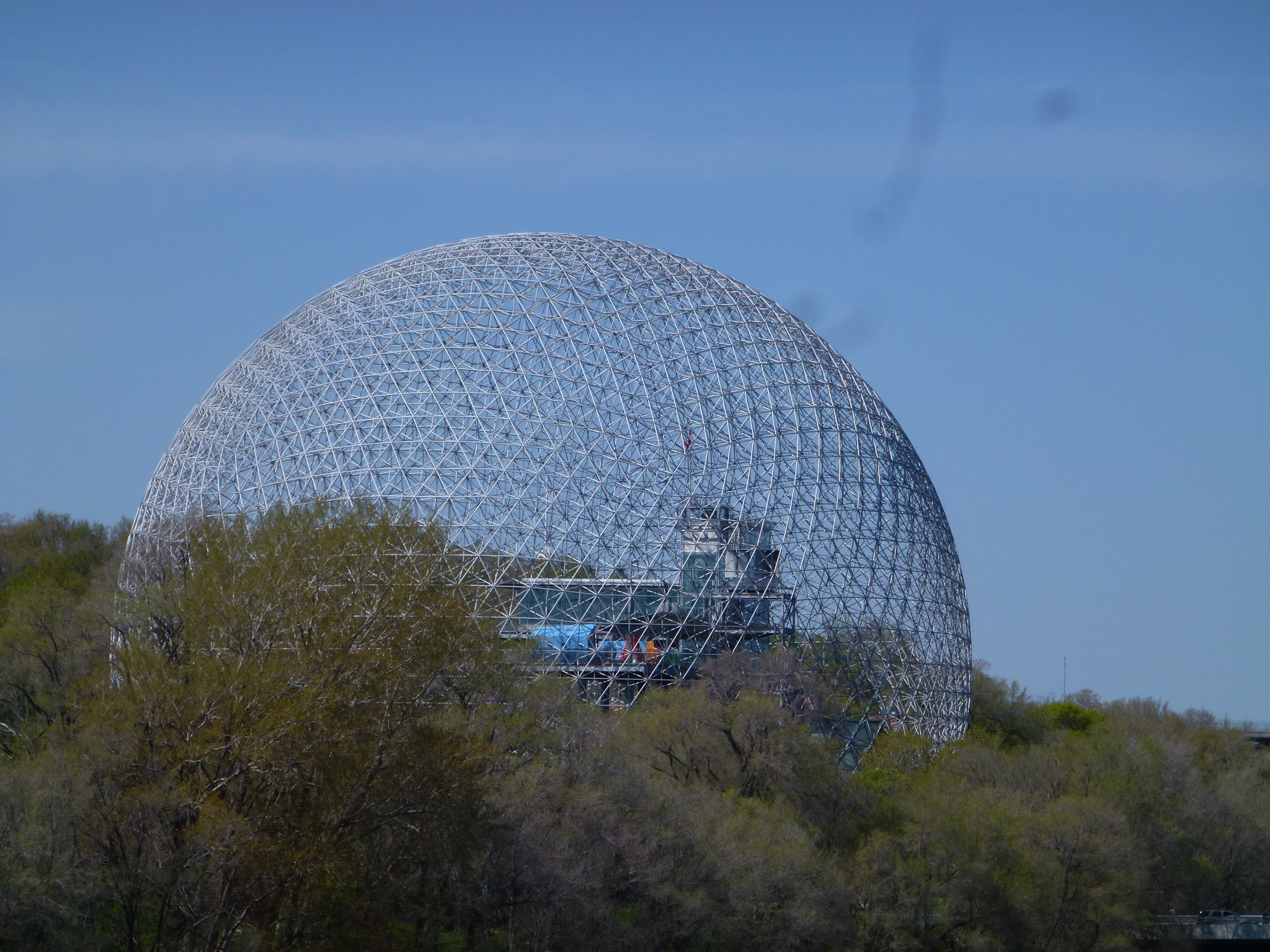 I dip onto the grand Prix Race track, Circuit GillesVilleneuve, for a few metres (and for my record) before winding my way between the trees around the ‘67 Expo site.
 I cross a nearby bridge to old Montreal.
Fifty Kilometeres. Cycling the Trans Canada Trail, connecting with the communities alongside it and living in history is energizing. And warms my heart with pride.
 I’d love to hear your stories about travelling on the Trans Canada Trail. Please comment or simply send your the links.
Coming next: Confederation Trail





 Travel Musings